
DIECIOCCHI
DieciOcchi is a tactile books and other materials studio: multi-sensorial tools that can be looked at, touched, read and played by everyone, even by children with sight disabilities. Thanks to this wide accessibility, this kind of projects are known as design for all.
In order to aid usability, we apply the principles of minimalism to our works:

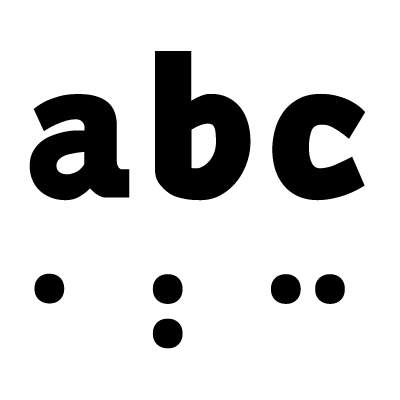
Our texts are simple, yet the narrative qualities do not take a back seat. We use easily readable fonts accompanied by Braille text
Our texts are simple, yet the narrative qualities do not take a back seat. We use easily readable fonts accompanied by Braille

Every component (the cover, binding, graphics, text, pictures) is equally important and cared for equally by us

We use plain colors in order to obtain a strong visual contrast that helps the recognition of images and shapes

All illustrations are on relief, thanks to 3-dimensional outlines or to elements attached to the page

Their tactile quality is an integral part of the whole design, thanks to different grammages, textures and treatments of the paper
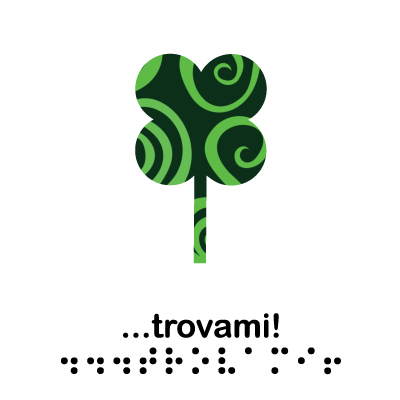
Playing is an integral part of reading. The game aspect of our books encourages the reader to explore their tactile features and to maintain the same attitude when the reading is over
“To complicate is easy, to simplify is hard. To make more complicated you just need to add whatever you want: colors, shapes, actions, decorations, characters, places full of things. Everyone is able to do it. Few are able to simplify. To simplify you must remove, and to remove you need to know what to remove (…). Removing, unlike adding, means understanding the essence of things, and communicating them in their essentiality.” (Bruno Munari)
“To complicate is easy, to simplify is hard. To make more complicated you just need to add whatever you want: colors, shapes, actions, decorations, characters, places full of things. Everyone is able to do it. Few are able to simplify. To simplify you must remove, and to remove you need to know what to remove (…). Removing, unlike adding, means understanding the essence of things, and communicating them in their essentiality.”
(Bruno Munari)